A homeowner in Samarkand can now turn a covered garage into a den without a single public hearing. A homeowner three miles away, inside the boundary of El Pueblo Viejo, still needs a Historic Landmarks Commission review to change a window trim color. Both live in the City of Santa Barbara. Both are subject to the same municipal code. As of this spring, they are not playing by the same rules.
That split matters if you are weighing a renovation before you list, or sizing up a fixer with plans already in your head. The city's Single Family Streamlining Project, adopted by City Council on April 14, 2026 and in effect since May 28, genuinely lowered the bar for a large share of home projects. But it drew a hard line around the districts the city has always treated differently, and that line now separates a same-week staff approval from a multi-month hearing process for what might be a nearly identical scope of work.
What Actually Changed on May 28
The city's own numbers frame the size of the shift. Design review supervisor Ted Hamilton-Rolle told the council staff expects a 24 percent drop in the number of projects that have to go before the Single Family Design Board each year, out of roughly 221 annual referrals. Somewhere around 54 of those projects will now clear at the staff level instead.
A few specifics worth knowing if you are planning work:
- Projects that add no new floor area and keep materials cohesive with the existing style no longer trigger design board review at all.
- The staff-level approval ceiling for accessory buildings moved from 500 square feet up to 800 square feet.
- New porches can now encroach up to 10 feet into the front yard, provided they sit at least 5 feet from the property line. A porch can be 16 feet wide by 10 feet deep, or run the full width of the building at 6 feet deep.
- In inland neighborhoods, homeowners no longer have to maintain a covered garage and can convert that space into living area. Councilwoman Kristen Sneddon pushed for this change directly, noting how rarely garages get used to park cars anymore.
- The city added an emergency permit path, letting the community development director approve temporary work needed to stabilize a structure when there's a threat to life or property.
Councilman Eric Friedman framed the vote as a balance between speed and neighbor input, and Hamilton-Rolle described the approach as a scalpel rather than a hatchet. That's an accurate description of the scope. This is real relief for a meaningful slice of ordinary projects. It is not a citywide deregulation.
Where the Old Rules Still Run
The streamlining project explicitly carves out the parts of the city with their own design frameworks, and those carve-outs are where sellers and buyers get tripped up.
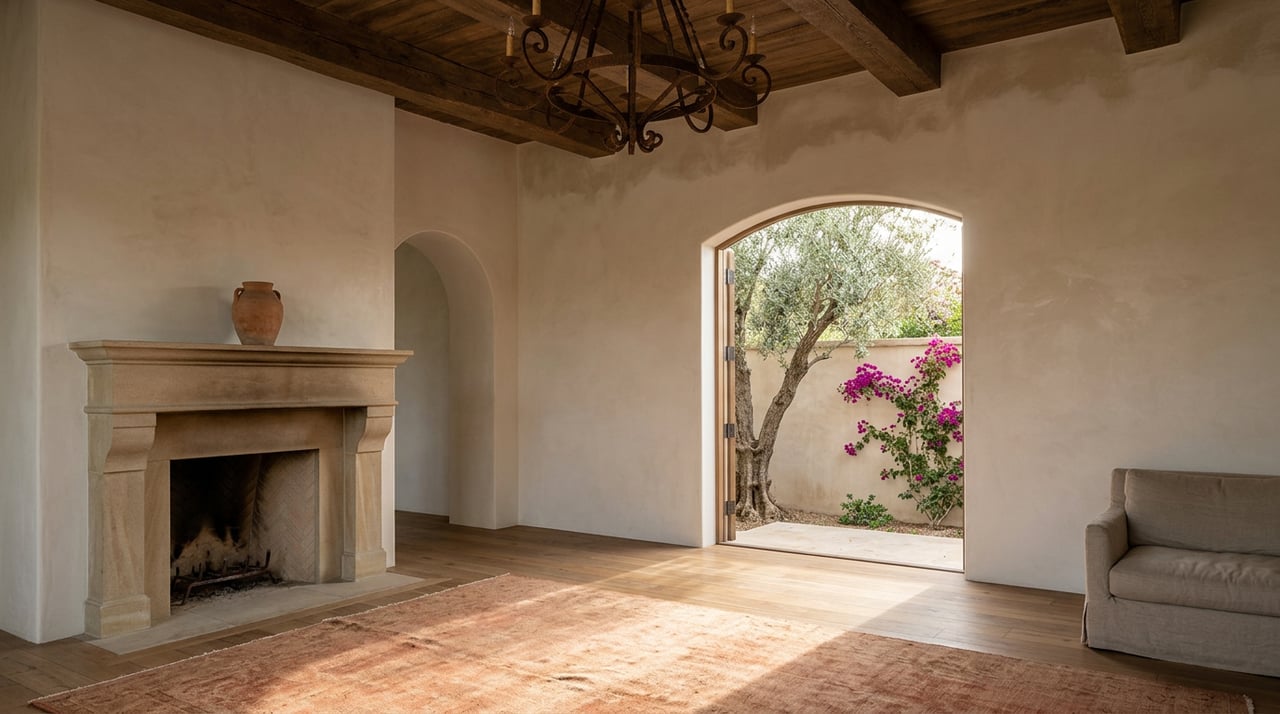
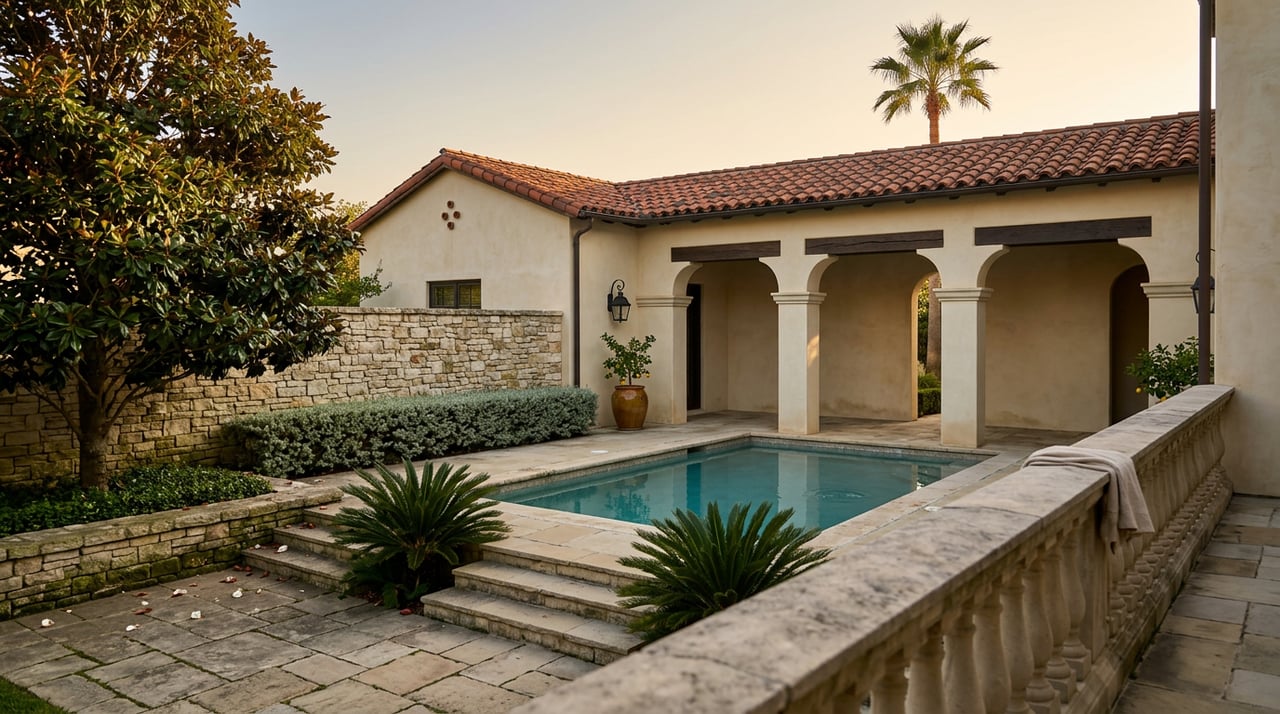
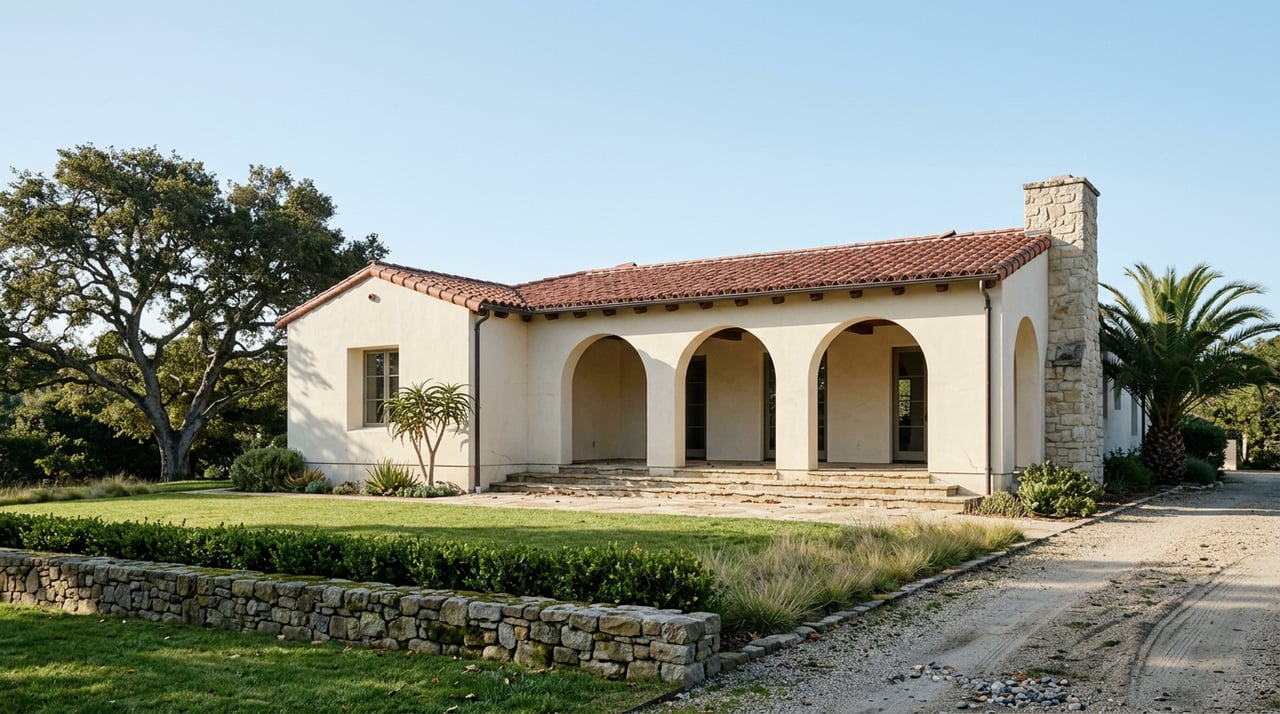
El Pueblo Viejo Landmark District covers downtown and the waterfront corridor, and every property inside it answers to the Historic Landmarks Commission for any exterior alteration or new construction, not the Single Family Design Board. The commission meets on a biweekly schedule. The district's identity is built on Spanish Colonial Revival architecture, and exterior work has to hold up to that standard. A visible addition, a new exterior door, or anything that touches a contributing historic building typically needs a full hearing, public notice, and a multi-week to multi-month runway depending on scope.
Lower Riviera runs its own separate track. The city maintains a distinct set of Lower Riviera Design Guidelines that sit alongside the citywide Single Family Design Guidelines, and homes there are reviewed against that additional layer rather than the streamlined process alone. None of that changed on May 28.
The Bungalow District carries its own separate wrinkle. Any application to alter or demolish a two-unit or multi-unit building there gets referred to the community development director, who has 30 days to determine whether the work counts as a demolition under the code. If the structure looks eligible for the city's Potential Historic Resources list, it goes to the Historic Landmarks Commission for a formal historic significance finding before anything else can proceed.
The Table That Actually Matters Before You Budget a Timeline
| Location | Review body | Meeting cadence | What May 28 changed |
|---|---|---|---|
| Most of the city (outside historic districts) | Single Family Design Board or staff | Biweekly | 24% fewer referrals, larger staff-approval ceiling, new porch and garage flexibility |
| El Pueblo Viejo Landmark District | Historic Landmarks Commission | Biweekly, consent items same day | Unaffected. Style compatibility and HLC jurisdiction remain in force |
| Lower Riviera | Single Family Design Board, plus Lower Riviera Design Guidelines | Biweekly | Unaffected. The added district-specific guidelines still apply on top of citywide review |
| Bungalow District (multi-unit demolition) | Community Development Director, then HLC if flagged | 30-day initial determination | Unaffected. Historic significance review still triggers separately |
If your address sits in any of the three carve-out rows, the streamlining vote you may have read about in April largely doesn't apply to your project.
Why the Timing Matters Right Now
None of this happens in a vacuum. As of March 2026, Santa Barbara's homes were selling at a median around $2.0 million with properties averaging roughly 43 days on market, and county-wide data around the same period put the broader market at close to 99 percent of list price with a similar 42-day median. Inventory has been running thin, in the neighborhood of two and a half months of supply.
In a market moving that fast, the gap between a staff-level approval and a hearing-track approval isn't a paperwork inconvenience. It's the difference between finishing a garage conversion or a pool addition in time to list this cycle, and watching the project spill into a slower season while carrying two mortgages or a stalled relocation timeline. A seller weighing whether a pre-listing improvement is worth the cost has to price in the review track, not just the contractor's bid.
For buyers, the same distinction cuts the other way. A fixer-upper that looks like a blank canvas on a walkthrough might sit inside Lower Riviera or within a few blocks of El Pueblo Viejo's boundary, which means the addition or garage conversion in your renovation plan needs board approval before it needs a shovel. That's worth confirming before you write an offer contingent on a specific scope of work, not after.
A Short Checklist Before You Plan Around This
- Confirm which review track your parcel falls under before you assume a project timeline. The city's Historic Resources web map and planning staff can confirm contributing status inside El Pueblo Viejo.
- If you're inland and considering a garage conversion, check that you're not in a zone still requiring covered parking. The new flexibility is specifically for inland neighborhoods, not the whole city.
- If your home sits in Lower Riviera, ask planning staff how the district's own design guidelines layer on top of the citywide streamlining before you assume the new porch and garage flexibility applies as written.
- Ask early whether your project qualifies for the streamlined staff-level approval or whether scope, location, or grading pushes it back onto a board's calendar.
A Few Direct Questions
Does this change apply to Montecito or Hope Ranch? No. Those are unincorporated areas under Santa Barbara County jurisdiction, reviewed by county boards of architectural review rather than the city's Single Family Design Board. The county has been running its own separate streamlining effort in phases, with different timelines and different triggers.
Does the garage conversion allowance apply along the coast? The change specifically applies to homes in inland neighborhoods. Coastal zone properties follow separate standards, so confirm your zone before assuming the flexibility applies to your address.
How long should I budget for a project that still needs a hearing? Straightforward, low-visibility items can sometimes clear through administrative review. Anything requiring a full board hearing typically needs public notice and can run several weeks to a few months depending on completeness and revisions, on top of whatever time construction itself takes.
Whether you're weighing a pre-listing improvement, sizing up a fixer, or just trying to understand what a specific address will let you do down the road, the review track matters as much as the renovation plan itself. Alisa Pepper & Bill Urbany have spent decades working through exactly these details with Santa Barbara County sellers and buyers, and are glad to look at a specific property with you before you commit to a scope of work or a purchase contingent on one. Reach out for a free home valuation and a straight answer about what your address actually allows.